The Promising Future of Steel Billet: Innovations in Production & Technology
Table of Contents
What is Billet Steel and Its Importance in Modern Manufacturing?
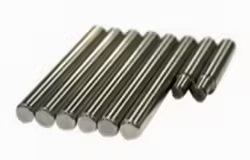
Steel billet is a semi-finished product, typically cast into square or rectangular shapes, and serves as a key building block in steel manufacturing. Made from molten steel, it is poured into molds to solidify into the desired form. As a versatile and strong material, steel billet can be further processed to create a variety of products used across industries like automotive, construction, energy, and heavy machinery. Its uniformity, strength, and adaptability make it essential for producing high-performance components. Without steel billet, many modern products, from vehicles to infrastructure, would not be possible.
Steel Billet Production: From Casting to Finished Steel Products
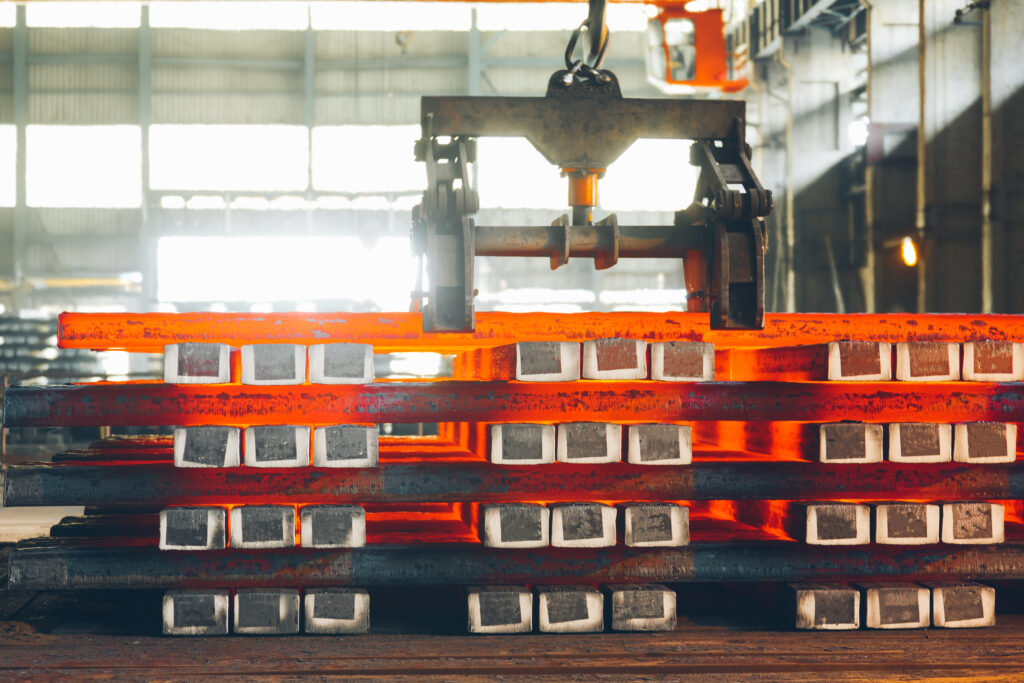
The process of producing steel billets is a highly sophisticated and essential part of steel manufacturing. It starts with the casting of molten steel into billets, typically using a continuous casting process. In this process, molten steel is poured into a mold and rapidly cooled to form a solid billet. This initial step is crucial for shaping the billets into their basic form.
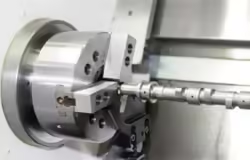
The billets are then passed through several stages of processing to refine their properties and shape. These stages include rolling, forging, and sometimes heat treatment, which are used to achieve the desired dimensions and mechanical properties. Each step is designed to enhance the quality and functionality of the billet steel, preparing it for further use.
After these processes, the steel billets can be transformed into a variety of finished products, such as beams, rods, and pipes, or used as inputs for other specialized steel processes. The versatility of billet steel allows it to serve as a foundation for numerous applications across various industries.
The high level of precision and control during production ensures that billet steel meets the stringent standards required in various applications. This precision is vital for ensuring that the final products are of the highest quality and can withstand the demands of their intended use.

Advantages of Using Billet Steel
Billet steel offers several key advantages that make it highly valuable in manufacturing. One of its primary benefits is its versatility. Steel billets can be easily processed and shaped into a wide variety of products, each designed for specific applications. Whether it’s used for automotive parts, construction materials, or heavy machinery components, billet steel provides the necessary mechanical properties to meet the demands of these industries.
Moreover, billets maintain a consistent structure and quality, which is critical for ensuring the reliability and performance of the final product. This consistency is essential in industries where precision and dependability are key to product success.
Additionally, billet steel is highly adaptable to different production processes, such as forging and rolling. These processes allow manufacturers to produce parts with complex geometries or enhanced mechanical properties, offering more design flexibility for various applications.
Another significant advantage of billet steel is its excellent strength-to-weight ratio, which makes it ideal for applications that require both strength and lightness, such as in aerospace and automotive components. This combination of durability and weight efficiency is particularly valuable in industries where performance is critical, and every ounce counts.
Main Applications of Billet Steel in Manufacturing
Steel billets are widely used across a broad range of manufacturing applications, underscoring their importance in various industries. In the automotive sector, billets are transformed into critical components such as engine parts, suspension systems, and chassis. These parts require exceptional strength and durability to withstand harsh operating conditions, making billet steel a vital material in automotive manufacturing.
In construction, billets are essential for producing structural beams, reinforcing bars, and steel plates. These materials form the backbone of buildings, bridges, and other infrastructure, ensuring stability and safety in large-scale projects.
Heavy industries like mining and energy also rely heavily on billets to produce high-strength components. These billets are used to create machinery parts, tools, and equipment designed to handle extreme stresses and challenging operating conditions, making them critical for industries that demand robust performance.
Additionally, billets are used to manufacture products such as rods, pipes, and tubes. These products are indispensable in industries like oil and gas, chemical manufacturing, and general industrial applications, where durability and precision are essential.
Future Trends in Steel Billet Production
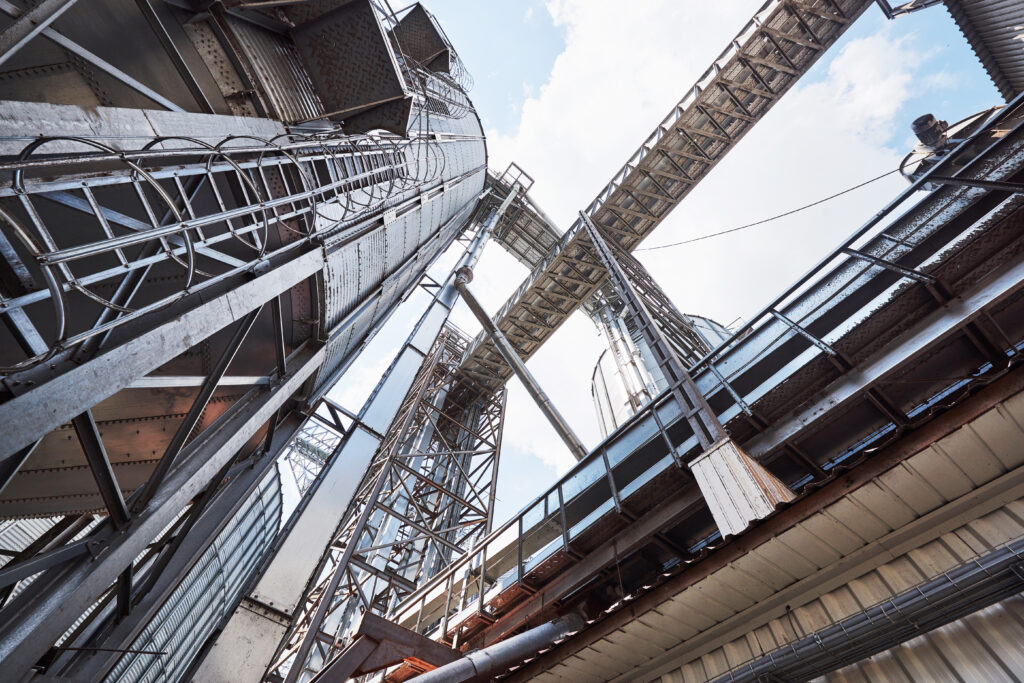
The future of billet steel production is closely linked to innovations in manufacturing technology and the increasing demand for sustainable practices. One of the key trends shaping the future is the integration of automation and smart manufacturing technologies into the production process. These technologies are driving improvements in efficiency, reducing waste, and enabling real-time monitoring of steel quality, making the process more streamlined and accurate.
As global focus shifts toward sustainability, there is a growing emphasis on producing billet steel using more energy-efficient methods. For example, electric arc furnaces and recycling scrap metal are gaining traction as environmentally-friendly solutions that reduce the carbon footprint of steel production.
Advances in alloy development also hold significant promise for the future of billet steel. New alloys are being designed to deliver better performance in extreme conditions, which will expand possibilities in industries like aerospace and defense, where high-performance materials are critical.
Furthermore, digital technologies are increasingly integrated into manufacturing processes. 3D printing is one of the most exciting innovations on the horizon, offering the potential to produce more precise and customizable steel components, allowing for greater flexibility and optimization in billet production.
Conclusion
In conclusion, billet steel is a crucial material in modern industry. Its strength, versatility, and ability to be processed into various products make it indispensable in sectors like automotive, construction, and energy. As technological innovations drive its development, billet steel will continue to play a vital role in shaping the products and infrastructure of the future. With sustainable production methods on the rise, billet steel’s importance in manufacturing will only grow, ensuring it meets the challenges of tomorrow’s industries.