1018 Steel Properties: Composition, Strength & Uses
Steel is a cornerstone of modern industry. Among its many types, 1018 steel stands out for its versatility.
This low-carbon steel is known for its excellent machinability and weldability. It is a popular choice in manufacturing and engineering.
Understanding 1018 steel properties is crucial for selecting the right material for your project. Its composition and mechanical characteristics make it suitable for various applications.
Table of Contents
What is 1018 Steel?
1018 steel is a low-carbon steel grade known for its good balance of toughness and machinability. It offers a superb combination of strength and ductility, making it a versatile choice for many industrial applications.
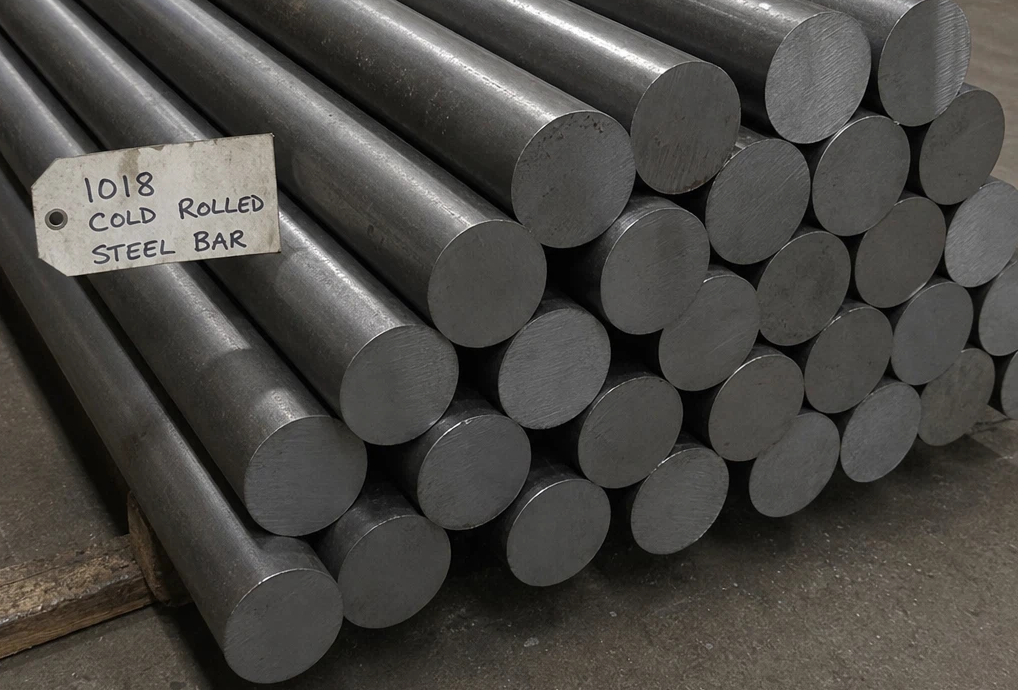
This steel is mainly used in the cold-rolled form, which enhances its surface finish and precision. Its ability to be formed and shaped easily makes it highly desirable in various manufacturing processes.
Key characteristics of 1018 steel include:
- Low carbon content, approximately 0.18%.
- Excellent weldability and machinability.
- Used in applications requiring precision and smooth surface finishes.
1018 Steel Composition and Carbon Content
The composition of 1018 steel is meticulously crafted to offer a fine balance of mechanical properties and ease of use. The carbon content in 1018 steel is approximately 0.18%. This low carbon level enhances its weldability and formability compared to higher carbon steels.
This steel is not just about carbon. It also contains other elements that contribute to its performance. These elements include manganese, phosphorus, and sulfur, each playing a role in defining the steel’s characteristics.
- Carbon: ~0.18%
- Manganese: 0.6% to 0.9%
- Phosphorus: Max 0.04%
- Sulfur: Max 0.05%
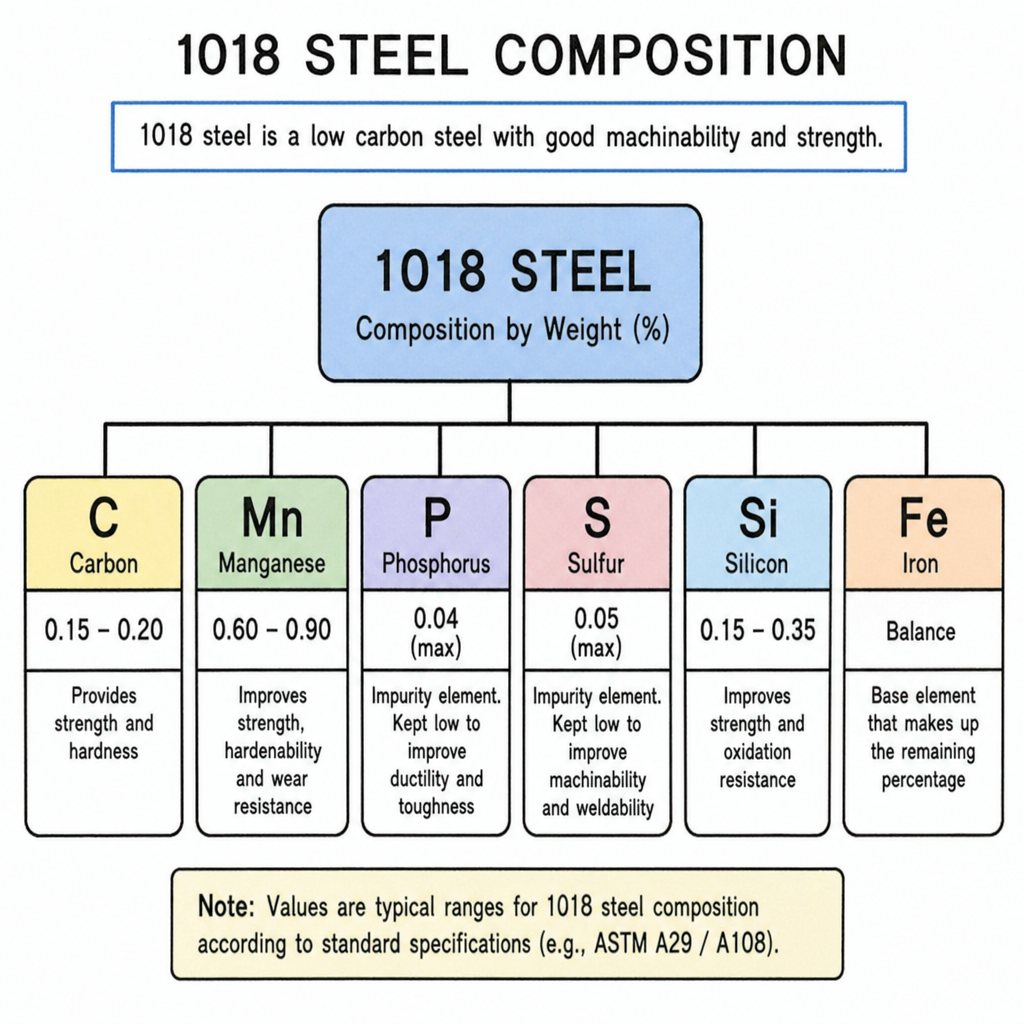
These elements ensure that 1018 steel offers a good balance of strength, machinability, and weldability. The steel’s specific composition is what makes it suitable for diverse applications across many industries, from automotive to construction.
Mechanical Properties of 1018 Steel
1018 steel is favored for its excellent mechanical properties. These properties include a good balance of toughness, strength, and ductility. The steel is known for its high machinability, which makes it a preferred choice for creating precision parts.
1018 steel has a tensile strength that allows it to withstand significant stress before breaking. Its yield strength is also noteworthy, allowing the material to maintain its shape under stress. These mechanical properties are vital in applications where strength and durability are essential.
Some of the key mechanical properties include:
- Ultimate Tensile Strength: Approximately 440 MPa (64,000 psi)
- Yield Strength: About 370 MPa (53,700 psi)
- Elongation in 2 inches: Around 15%
These properties make 1018 steel suitable for many industrial uses, including gears, shafts, and spindles. Its balanced properties enable it to serve both structural and non-structural roles effectively.
Ultimate Tensile Strength of 1018 Steel
The ultimate tensile strength of 1018 steel is approximately 440 MPa (64,000 psi). This measure reflects the maximum stress the material can endure while being stretched or pulled before failing.
Understanding the ultimate tensile strength is crucial when selecting materials for critical load-bearing applications. 1018 steel’s high tensile strength makes it a reliable option for such tasks. This property enables it to perform well in both static and dynamic applications, ensuring material integrity under various conditions.
1018 Steel Hardness
The hardness of 1018 steel is a critical factor in determining its wear resistance. With a Brinell hardness of about 126, it provides a good balance of hardness and ductility.
This hardness level ensures the steel can resist deformation, making it ideal for producing durable components. Despite its hardness, 1018 steel retains its machinability, allowing for easy machining and fabrication. This ensures that parts made from 1018 steel maintain their shapes and function effectively under stress.
1018 Cold Rolled Steel Properties
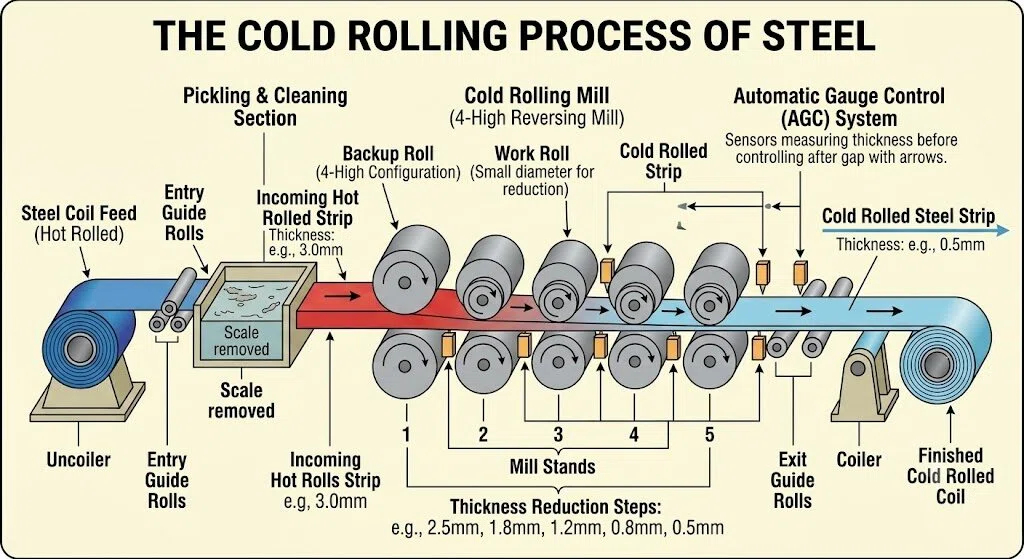
1018 cold rolled steel offers superior surface finish and tighter dimensional tolerances compared to its hot rolled counterpart. The cold rolling process enhances these properties by passing the steel through rollers at room temperature, improving both appearance and performance.
The method of cold rolling results in improved mechanical characteristics. These include an increase in both yield and tensile strength. The process also refines the grain structure, which contributes to the improved strength and enhanced ductility of the material.
Key benefits of 1018 cold rolled steel include:
- Improved surface finish
- Greater dimensional accuracy
- Enhanced mechanical properties
- Refined grain structure for better strength
These attributes make 1018 cold rolled steel an ideal choice for applications that require precision and strength. It is commonly used in manufacturing parts that benefit from its excellent mechanical properties, such as shafts, gears, and fasteners.
1018 Steel Material Properties Table
Understanding the specific material properties of 1018 steel is essential for selecting it in various engineering applications. The table below summarizes the key properties that contribute to its widespread use in industrial settings.
Below are some of the critical material properties of 1018 steel:
- Density: 7.87 g/cm³
- Modulus of Elasticity: 205 GPa
- Brinell Hardness: Approximately 126
- Ultimate Tensile Strength: 440 MPa (64,000 psi)
These properties highlight the versatile nature of 1018 steel. They make it suitable for a wide range of mechanical and structural applications.
Machinability, Weldability, and Formability
1018 steel stands out for its excellent machinability. It is often used in applications requiring precision machining. Its machinability rating is about 70% of AISI 1212 steel, making it easier to cut and shape.
Weldability is another strong trait of 1018 steel. Its low carbon content reduces the risk of cracking during welding. This property makes it ideal for projects requiring various joining methods without compromising strength.
Formability is one of 1018 steel’s notable advantages. Its softness and low carbon content allow it to be bent and shaped with ease. This versatility makes it suitable for processes like drawing, heading, and upsetting.
Key advantages include:
- High machinability
- Excellent weldability
- Good formability
These traits enhance its appeal in numerous industrial applications.
Heat Treatment and Case Hardening
Case hardening is another technique often used with 1018 steel. It involves hardening the outer surface while maintaining a softer, ductile core. This is particularly beneficial for parts that must resist surface wear but still absorb impact.
Some key aspects of 1018 steel heat treatment include:
- Ability to improve surface hardness
- Enhancement of wear resistance
- Retention of core ductility
These methods expand the applications and durability of 1018 steel components.
Common Applications of 1018 Steel
1018 steel finds usage across various industries due to its versatile properties. Its ability to provide strength along with a smooth finish makes it highly sought after in manufacturing. This is especially true for components requiring dimensional accuracy and aesthetic appeal.
Industries such as automotive, construction, and machinery rely heavily on 1018 steel. These sectors use it to produce critical parts like gears, shafts, and pins. Its excellent weldability and formability allow for straightforward fabrication, which is beneficial in high-volume productions.
Some common applications include:
- Automotive components
- Furniture and fixtures
- Industrial machinery
- Hand tools and hardware
In engineering tasks, 1018 steel is prized for its reliability and performance. Its widespread use across different sectors highlights its adaptability and economic benefits.
1018 Steel vs. Other Steels (A36, 1045, Stainless)
Understanding how 1018 steel compares with other steels like A36, 1045, and stainless is important for material selection. Each steel has unique features that suit different applications and environments.
1018 steel is low-carbon, making it easier to machine compared to A36, which is often used for structural applications. On the other hand, 1045 steel, with its higher carbon content, offers greater strength but is tougher to work with. Stainless steels, renowned for corrosion resistance, are more costly but ideal in harsh conditions.
Key differences among these steels include:
- Carbon content and mechanical properties
- Ease of machining and fabrication
- Corrosion resistance and cost factors
In essence, choosing the right steel depends largely on the required strength, durability, and environmental resistance. Selecting the ideal type ensures optimal performance in your specific use-case scenario.
Advantages and Limitations of 1018 Steel
1018 steel is a popular choice for many industries due to its numerous advantages. It offers excellent machinability and weldability, making it ideal for precision parts. Its low carbon content ensures good ductility and ease of shaping.
However, it does come with limitations. This steel is not suitable for high-temperature environments or applications requiring high hardness.
Key advantages and limitations include:
- Advantages: Good machinability, weldability, and affordability.
- Limitations: Lower strength compared to higher carbon steels, limited corrosion resistance.
Conclusion
In summary, 1018 steel is a versatile and reliable material. Its balanced properties make it suitable for a wide range of applications across different industries.
The material’s excellent machinability and ductility are complemented by its cost-effectiveness. While it does have limitations, such as lower strength and limited corrosion resistance, these do not overshadow its strengths. For many manufacturing and engineering projects, 1018 steel remains a top choice.